

Special Session 13
FROM MEMBRANES TO MATERIALS: DIFFUSION AND BIOMATERIALS IN BIOMEDICAL SCIENCES (SS13)
Diffusion connects the physics of solids and liquids with the biology of cells and tissues, making it central to biomedical science. In membranes, diffusion helps explain selective transport, passive movement, and facilitated transport through channels and carriers. In biomaterials, diffusion governs how drugs, ions, oxygen, and signaling molecules move through scaffolds, hydrogels, and implant surfaces, directly affecting healing and tissue integration. Recent research has emphasized advanced materials that better reproduce extracellular matrix behavior, improve controlled drug release, and support regeneration in complex tissues. This makes diffusion not just a transport concept, but a design principle for next-generation biomedical materials and biological principles.
KEY POINTS
- Diffusion is a core transport process in both biological membranes and engineered materials, governing how molecules move down concentration gradients across cells and through solids.
- In biomedical science, diffusion shapes drug delivery, tissue engineering, and scaffolds; performance by controlling release rates, nutrient transport, and cellular interactions.
- Current biomaterials research focuses on smarter, multifunctional systems — such as ECM-inspired scaffolds, nanocomposites, and functional biomaterials — that better mimic natural tissue while improving regeneration and therapeutic delivery.
ORGANISER(S):
-
 Prof. Cimara Fortes Blunt University of Tennessee Health Science Center College of Dentistry,
USA
cblunt@uthsc.edu -
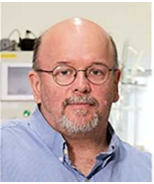 Prof. Robert J. Mitchell Ulsan National Institute of Science and Technology (UNIST),
South Korea
esgott@unist.ac.kr
PUBLICATION:
-
 DEFECT AND DIFFUSION FORUM by Trans Tech. Publications
Cited in SCOPUS and Google Scholar
https://www.scientific.net/DDF/Details
INVITED SPEAKER(S):
will be announced soon!